
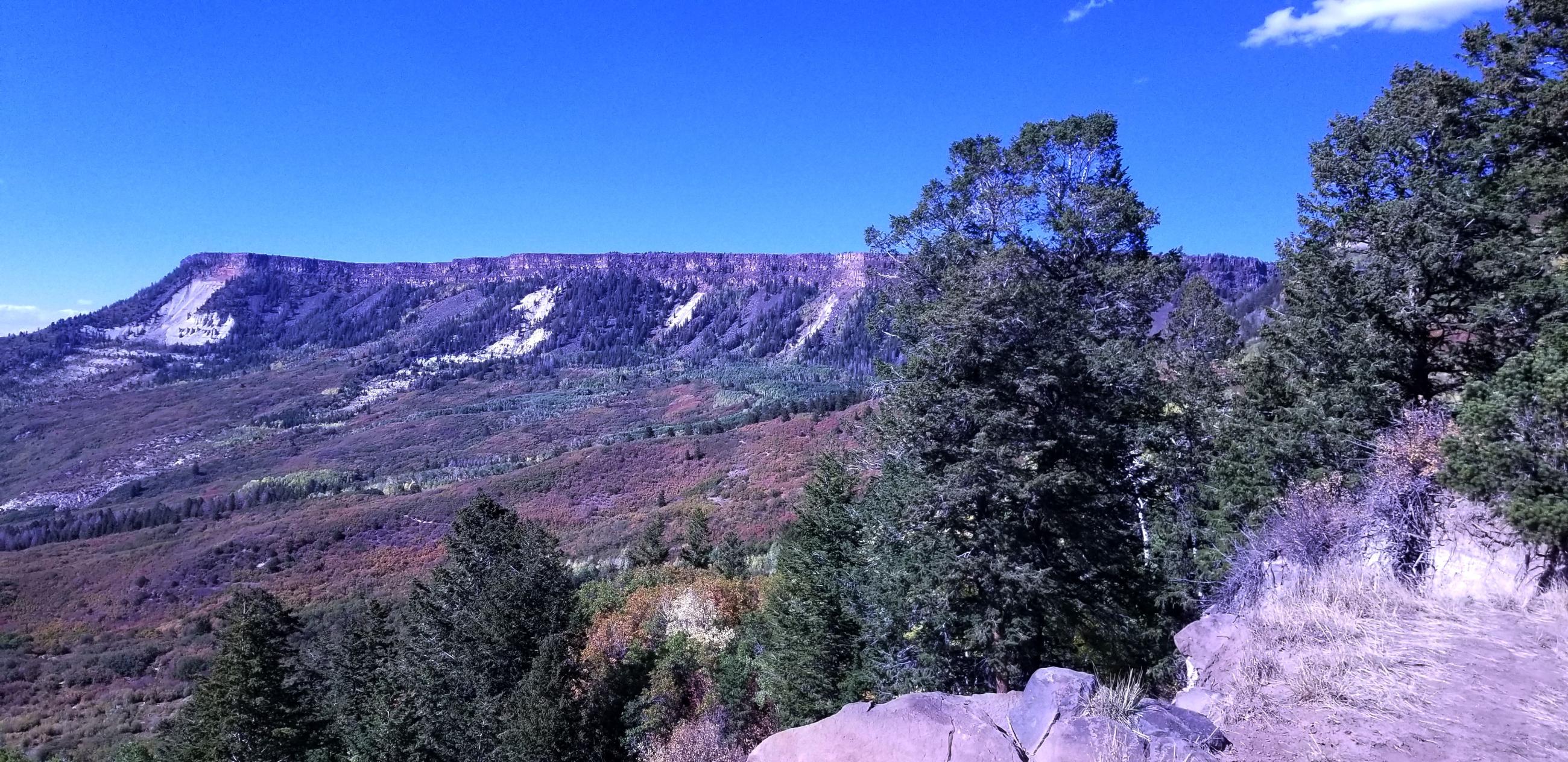
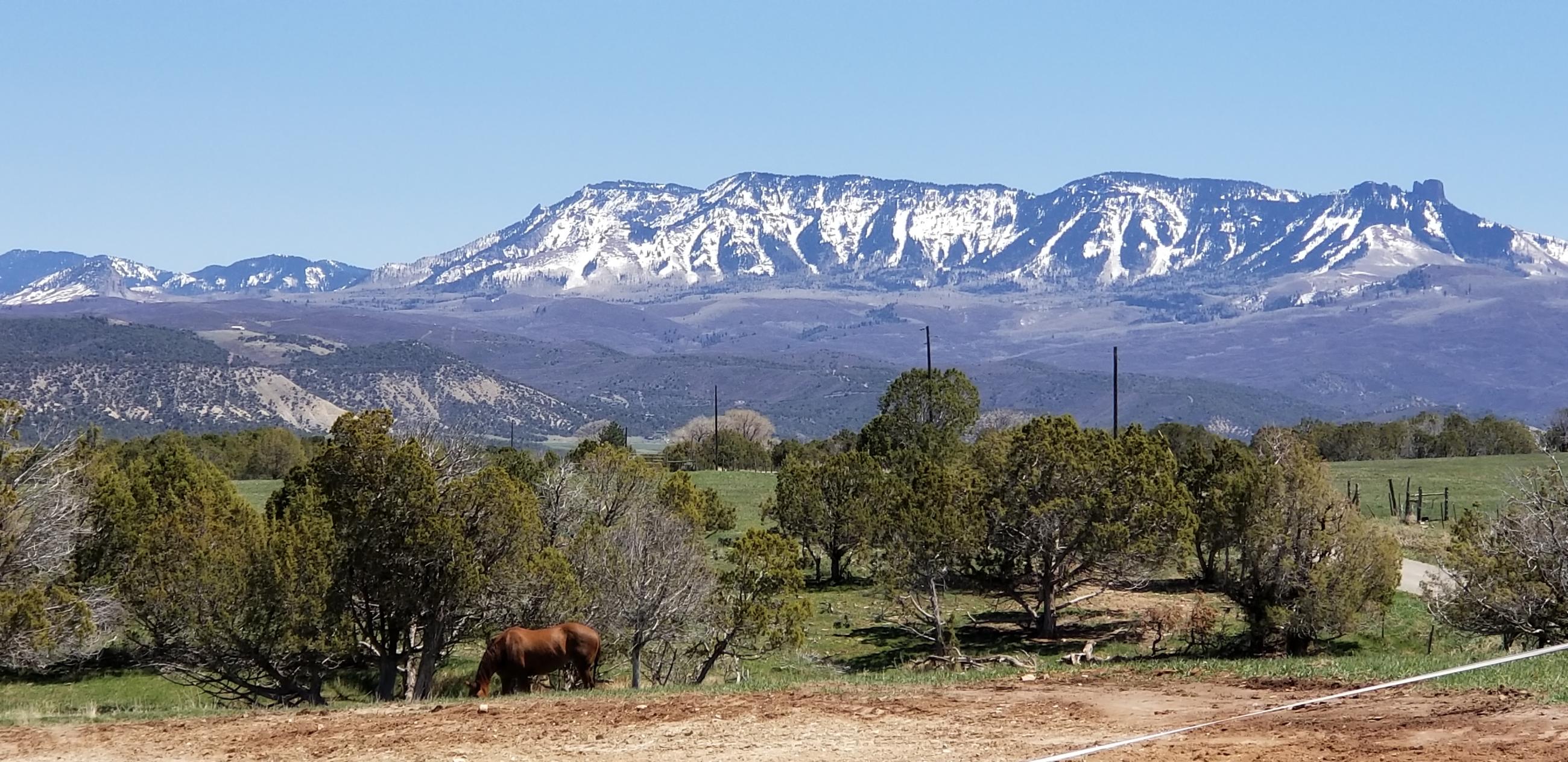
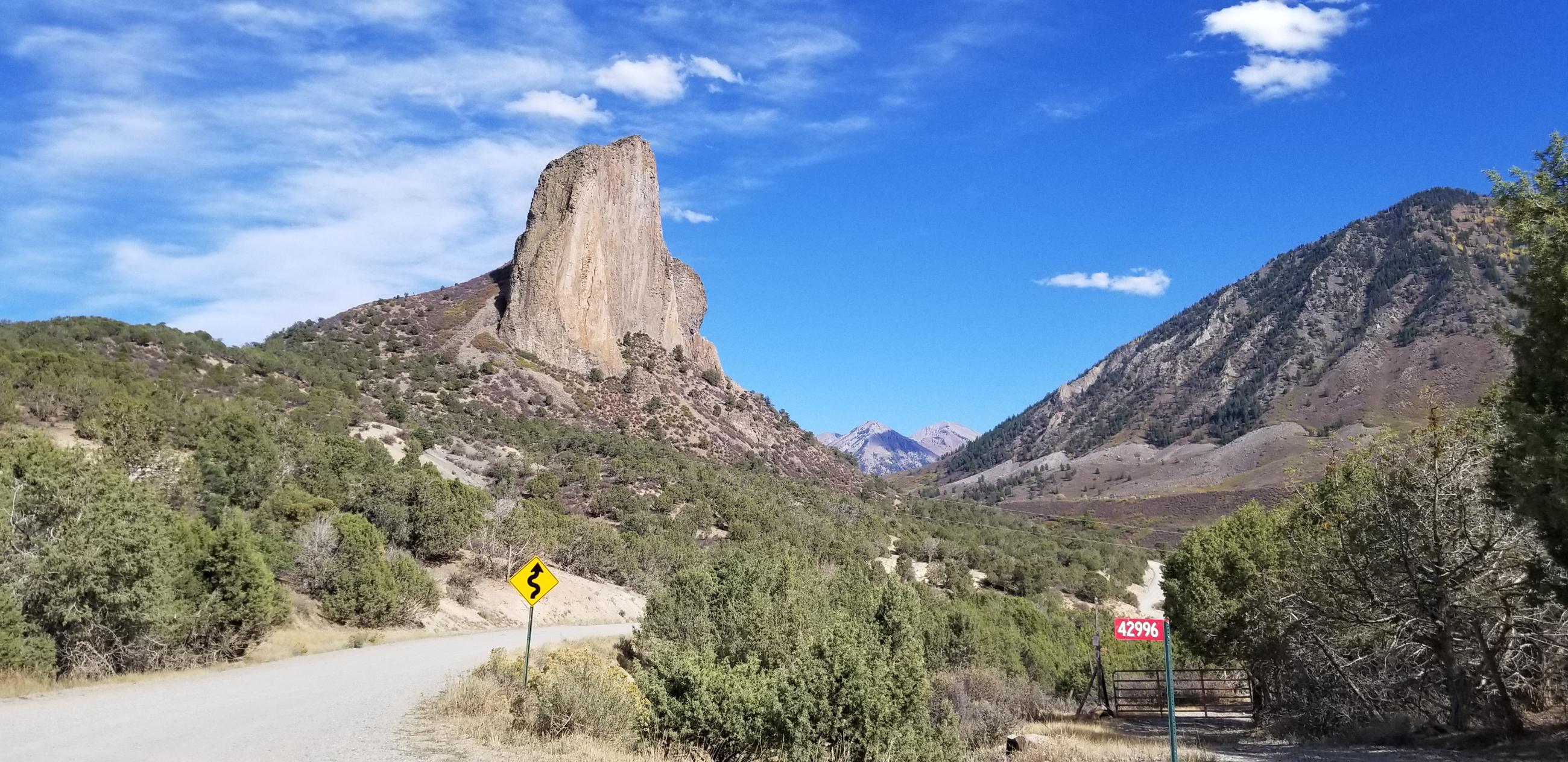
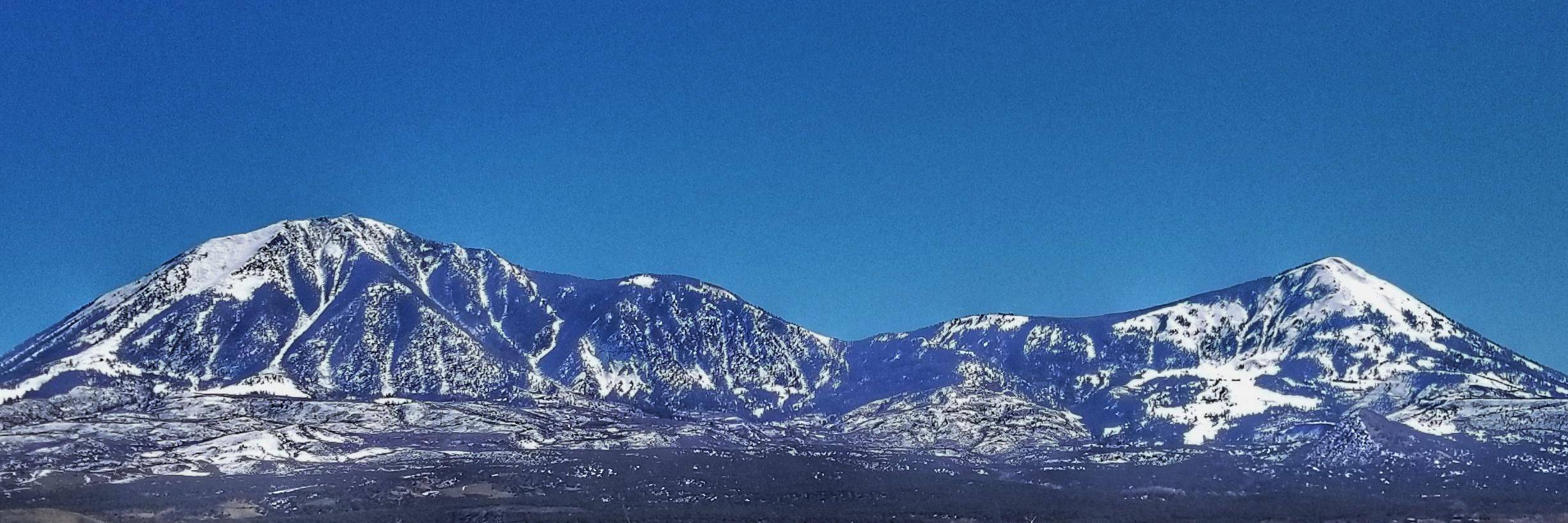
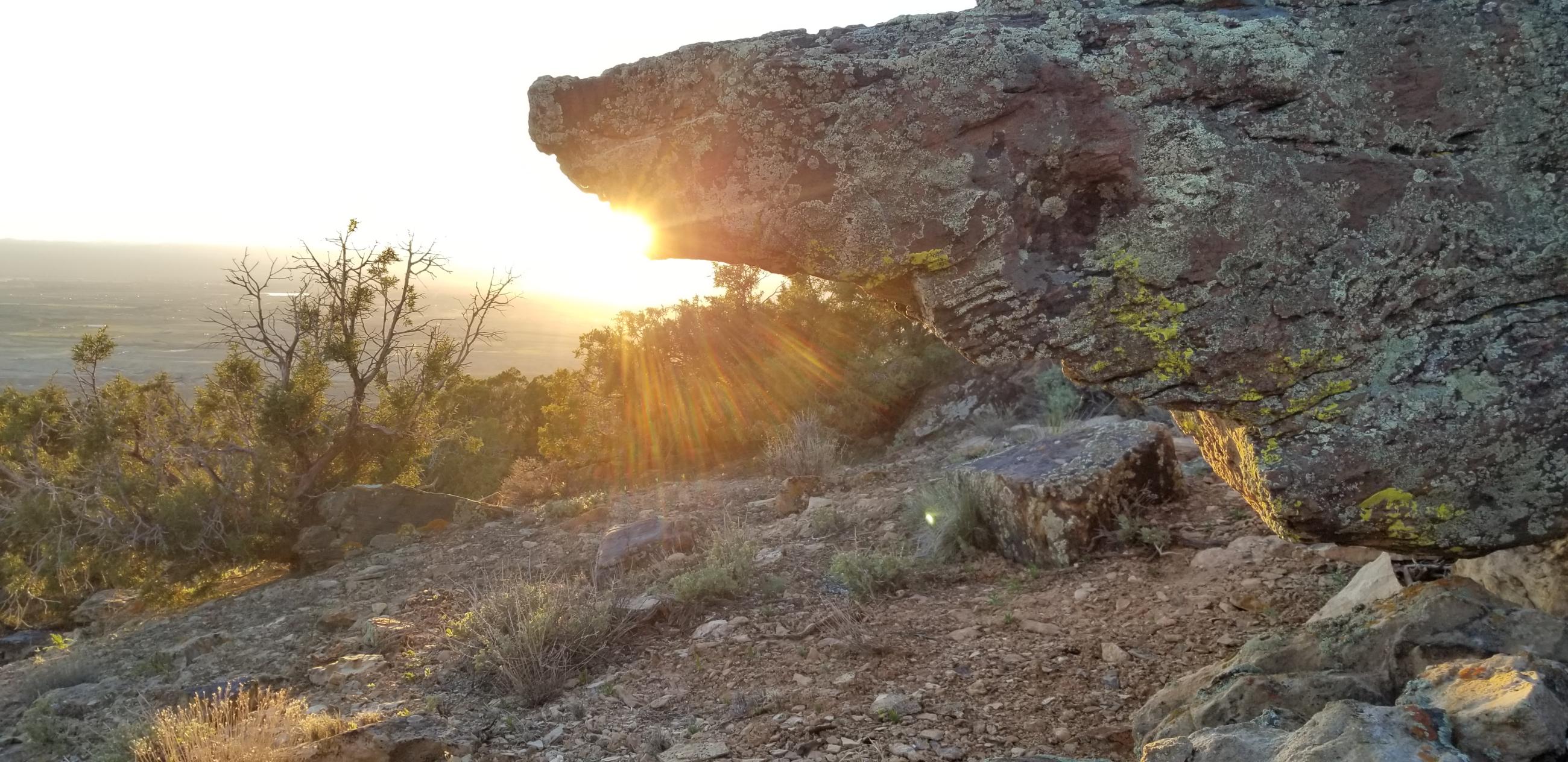
Colorado is not one climate. It runs from USDA zone 3 in the high country to zone 7 in the lowest valleys, and a plant that thrives in one of those places will not live through a winter in the other. Most of what goes wrong in a Colorado landscape starts with a plan drawn for somewhere else.
Everything here is irrigated
Very little of this state gets enough rain to keep a landscape alive on its own, and the western valleys get the least of it — under ten inches in a normal year. Whatever is growing in a Colorado yard is growing because somebody decided to water it.
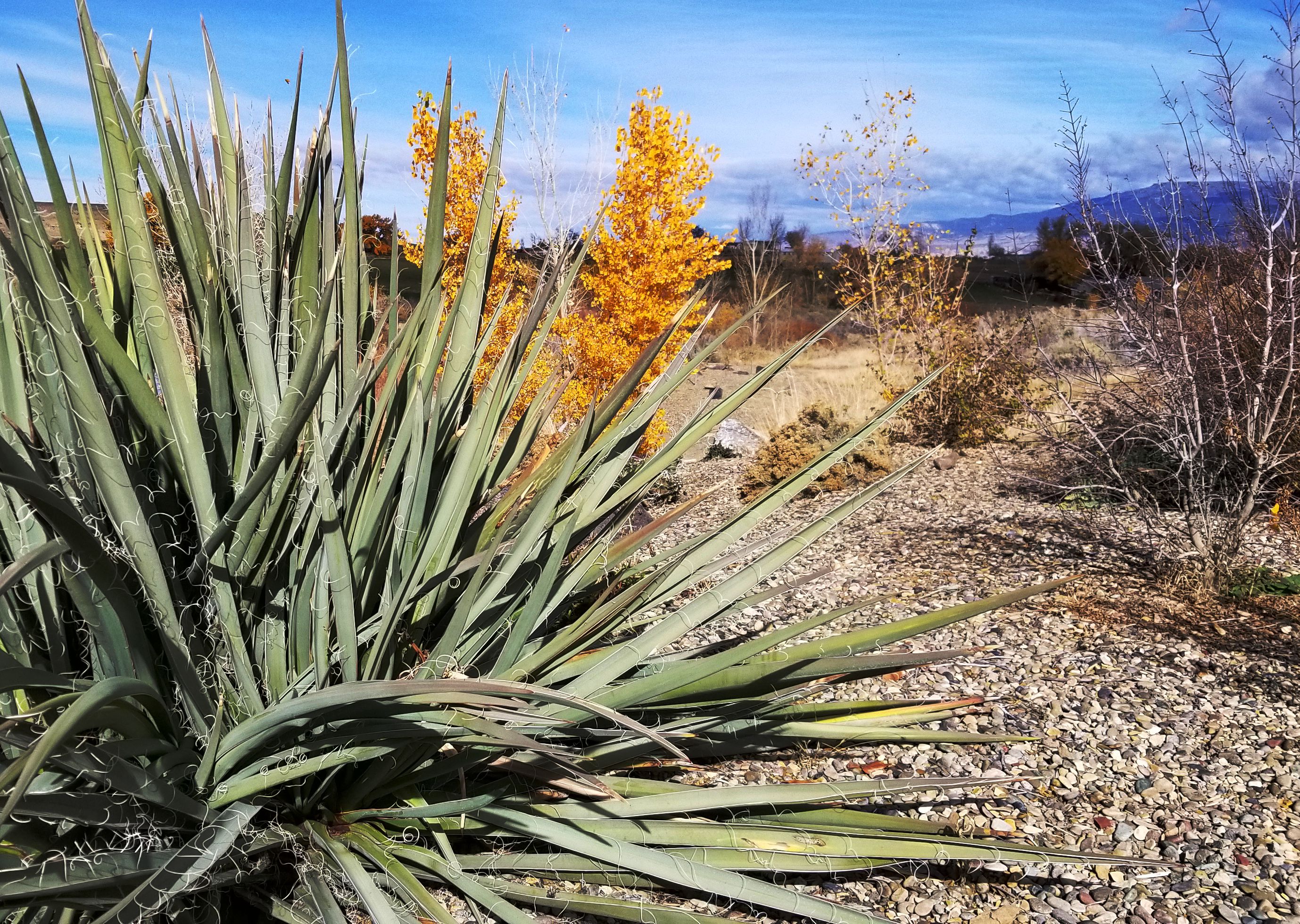 Which is why xeriscape is a Colorado invention. The word was coined in 1981 by Nancy Leavitt, an environmental planner at Denver Water, from the Greek xeros — dry — and landscape. It started as a water conservation idea in this state and has since gone everywhere.
It is also the most misunderstood word in the trade. Xeriscape does not mean gravel and three yuccas. It means a planting designed around the water the climate actually delivers, and done properly it is green, full, and a good deal more interesting to look at than a lawn. What it is not... is thirsty.
Altitude changes the rules
Elevation does more than shorten the season, though it does that too. The sun is harder at altitude and burns plants that would be fine lower down. The swing between a July afternoon and a July night can run forty degrees. Water evaporates faster. And an evergreen sitting in frozen ground on a bright February day loses moisture through its needles that the roots cannot replace, which is why so many of them come out of winter brown on the south side.
None of that is printed on the plant tag.
The soil is not the soil in the catalog
Much of Colorado sits on alkaline, clay-heavy ground with very little organic matter in it. Water moves through it slowly and roots move through it slowly, and a plant that wants acidic soil will sit there for three years looking unhappy and then quit. Amendment is not an upgrade here. It is part of the installation.
What actually belongs here
Sagebrush, rabbitbrush, serviceberry, penstemon, yarrow, coneflower. Plants that were here before anybody irrigated anything, and plants from other places with the same set of problems. They take the sun, the swing and the dry, and they do it without being nursed through August.
That is not an argument against a lawn, or against anything else somebody wants on their property. It is an argument for knowing which parts of a landscape are working hard and which parts are only expensive.
The wildlife lives here too
Deer and elk are not an occasional problem in Colorado, they are a permanent condition. A new planting on open ground is food until it establishes. The answer is some mix of what gets planted, where it goes, and what protects it through the first couple of winters — and that is a decision made at design time, not after something has been eaten to the stems.
Where we work
Brookstone works the Western Slope — Delta and Montrose counties, on the dry side of the divide, where most of the above is more true than it is anywhere else in the state.